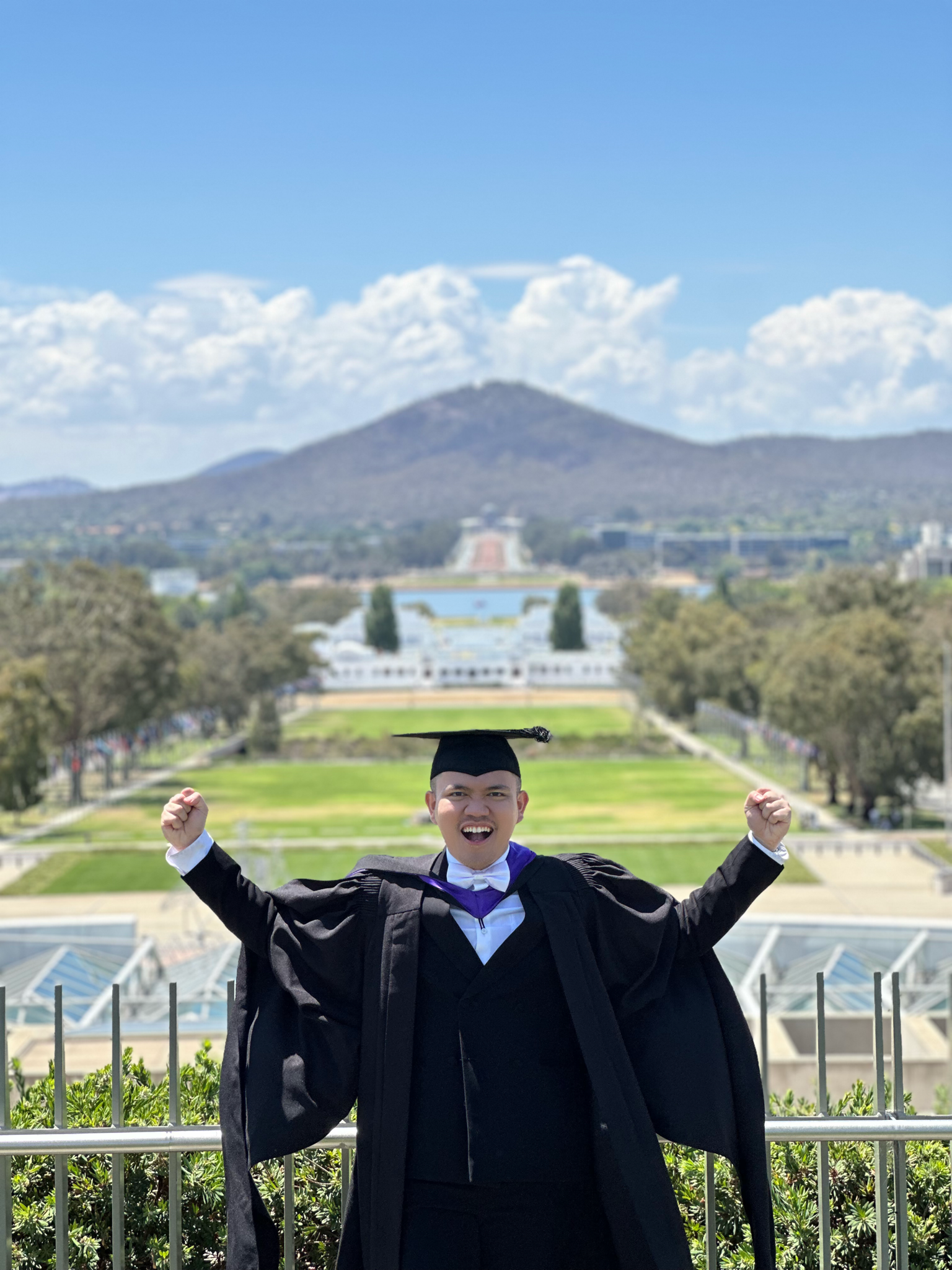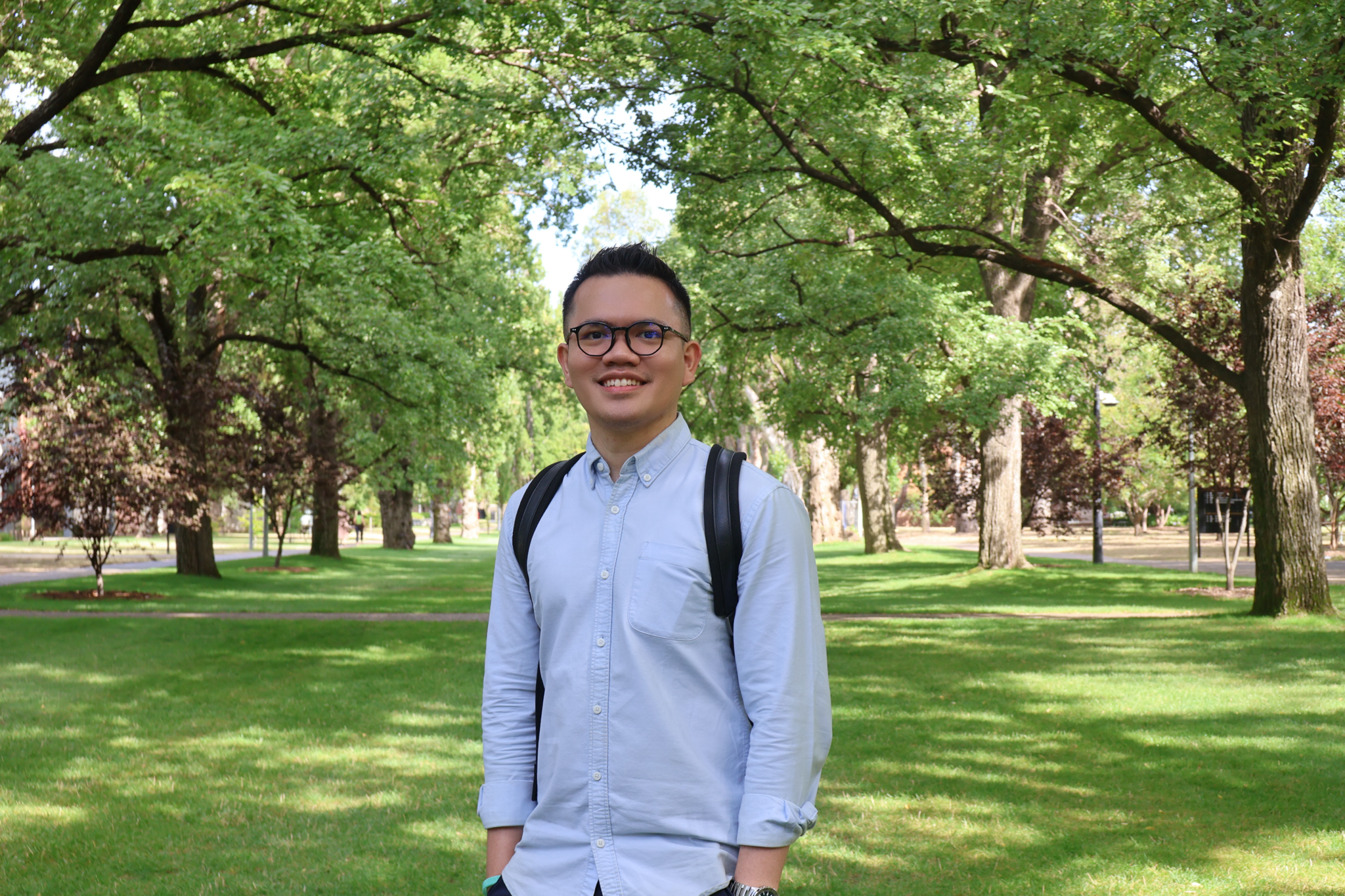


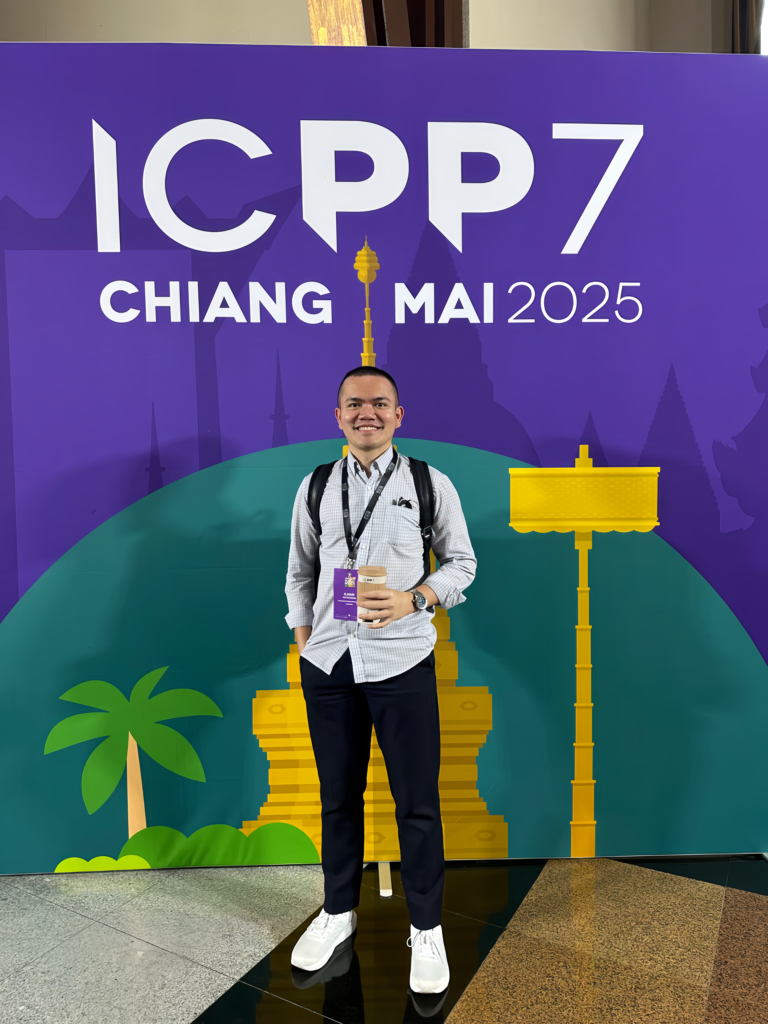
Ilham is an undergraduate program in criminology alumnus who graduated in January 2022. While many graduates view their commencement as a conclusion, for Ilham, it was the propellant for a journey that recently led him to the podium at the Australian National University (ANU). Delivering a speech to his fellow postgraduates in Canberra, Ilham represented the promise of excellence of Indonesia’s next generation of scholars.
Addressing an international cohort of graduates, Ilham encouraged everyone to reflect on and identify their own true definition of home as a foundation for meaningful contribution. He emphasised that returning home and initiating change from within one’s immediate community is the most realistic pathway to creating broader influence and sustainable societal transformation. Rather than seeking impact in abstract or distant arenas, he argued that enduring change begins with taking responsibility for the institutions, communities, and systems that first shaped us: our home.
Beyond the Classrooms
During his time at the Department of Criminology, FISIP UI, Ilham was actively engaged in academic and organisational activism. He understood early on that criminology in Indonesia carries a unique weight: it is a tool for social justice in our community. This led him to take on a significant leadership role as the President of Genre Indonesia (Jawa Tengah Chapter), an organisation under the Ministry of Population and Family Development (BKKBN RI).
While managing his undergraduate studies, Ilham navigated the “Triangle of Risks to Reproductive Health (TRIAD KRR)” facing Indonesian youth: early marriage, pre-marital sex, and drug abuse. However, it was his ability to apply a “criminological lens” to these social issues that set his work apart. He recognised that those already within the justice system were often the most neglected in terms of the government’s educational and intervention programs outreach.
Intervention at the Child Detention Centre
As both a student and a leader, Ilham initiated a pioneering program at a Child Detention Centre (LPKA). In an environment where access to reformative knowledge was severely limited, he introduced structured interventions designed to reduce recidivism and provide a sense of future agency to young detainees. The impact was profound:
- National Recognition: The project was advocated at the national level during a workshop by BKKBN RI in 2019.
- Scalability: Eight other provinces eventually replicated the model, proving that criminological theory could be turned into a scalable, national movement.
This experience solidified his belief that the Indonesian criminal justice system required practitioners who were not only empathetic but also technically proficient in policy design.
The Canberra Chapter: Mastering Contemporary Regulation
The transition from UI to the Australian National University (ANU) for his Master’s degree in Public Policy, specialising in Contemporary Regulation, was driven by a specific vision: humanising the criminal justice system and governance in Indonesia. Adapting to a new academic culture in Australia presented its own set of challenges, from mastering different analytical frameworks to engaging with global perspectives on justice.
Ilham’s research at ANU focused on one of the most pressing issues in contemporary criminology: policing and public trust. His work explored how regulatory frameworks can help strengthen public confidence in policing institutions in both Indonesia and Australia. This inquiry is critical for reinforcing the legitimacy of public bodies entrusted with maintaining social order.
“The relevance of criminology in practice is often found in the nuances of regulation. It’s about how we govern the institutions that govern us,” Ilham notes.
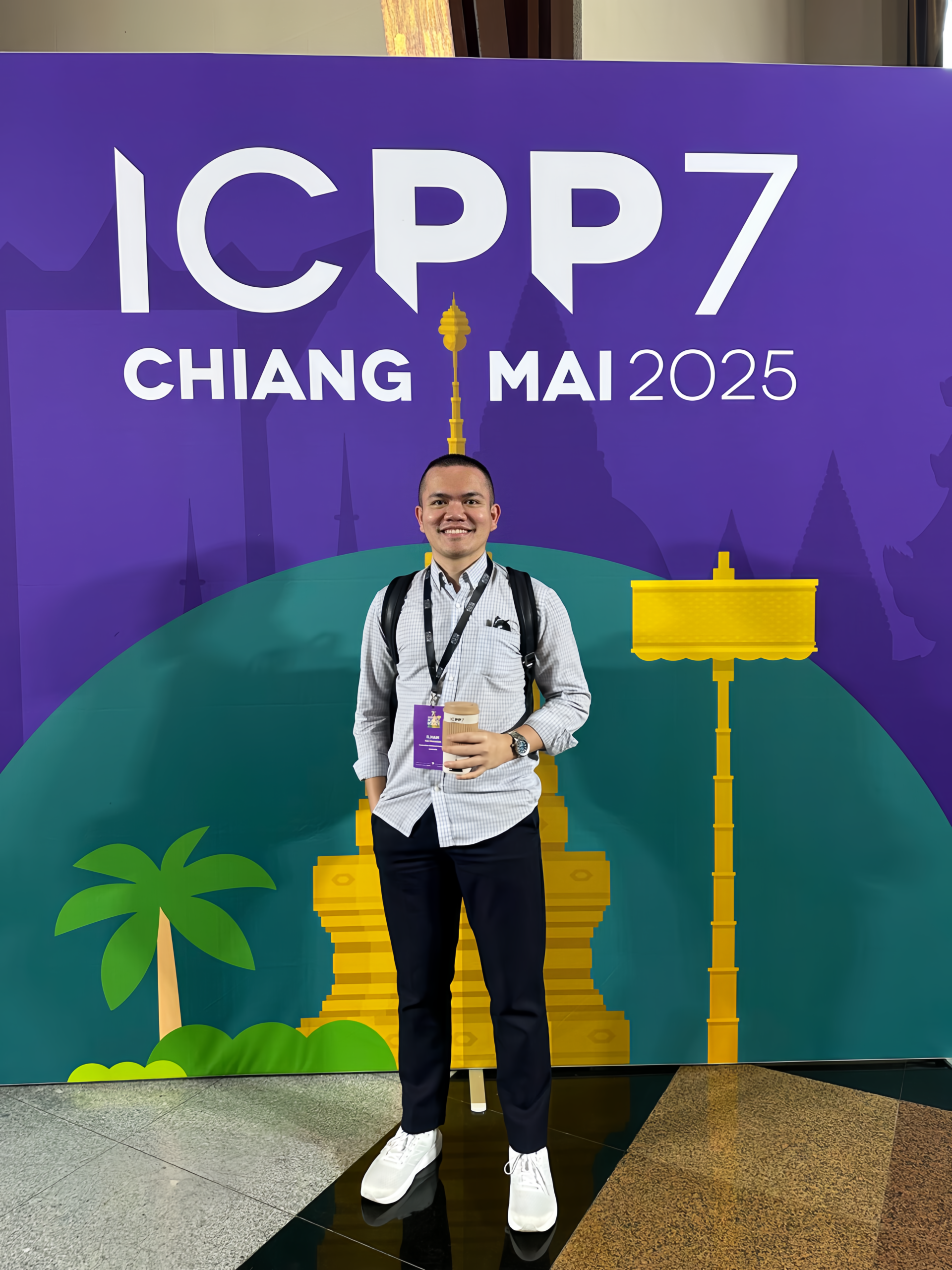
His academic rigour during this period was evident. He didn’t just complete his coursework, he tutored a criminological course at ANU and contributed to the global scholarly conversation. He presented his research at the 7th International Conference on Public Policy (ICPP)—one of the biggest public policy conferences in the world, and ensured his findings reached the Indonesian academic community by publishing in the Jurnal Kriminologi Indonesia (Indonesian Journal of Criminology). For those interested in the technical aspects of his findings, his work remains a key resource in the department’s publication.
A Career in Evolution: Consulting, Teaching, and AI
Today, Ilham is building his professional pathway in policy and political consulting and training, while returning to the Department of Criminology at Universitas Indonesia as an adjunct faculty member. This dual engagement reflects his steadfast commitment to ensuring that academic knowledge informs real-world decision-making processes within Indonesia’s criminal justice and governance landscape.
By combining consulting practice with research and teaching, he aims to contribute toward the development of evidence-based policy ecosystems that are responsive to public needs. This “double-helix” approach to his career, where the private sector informs the classroom and vice versa, is expected to allow him to remain grounded in reality while pushing the boundaries of scholarly thought.
Ilham is currently preparing for his doctoral studies, where he intends to examine the governance of artificial intelligence (AI) adoption in Indonesian policing. As technology moves faster than we could imagine, Ilham aims to ensure that the adoption of AI by law enforcement is governed by ethics and transparency to protect our people at best.
Reflections on the “UI Criminology” Identity
For Ilham, being a “Criminologist from UI” is a label that comes with a responsibility. He reflects on the department not just as a place of learning, but as a forge for character. Ilham attributes his professional success to the academic standards of the department, which demand:
- Resilience: The capacity to tackle “wicked” social problems without losing focus.
- Problem-Solving: Moving past the habit of complaining about systemic flaws to actively designing the “fix.”
- Intellectual Honesty: The courage to remain critical and objective, even when it is professionally inconvenient.
He acknowledges that criminology is a unique and highly needed field in Indonesia, yet it remains underutilised in policymaking. He views this not as a defeat, but as a call to action for all alumni to empower one another and advocate for the science they represent.
A Message to Active Students: Explore Benefit We Can Share with Others
As a final word to the students currently studying at UI, Ilham offers a perspective grounded in humility and service. He encourages students to look beyond the prestige of the “Yellow Jacket” and toward the impact they can have on the community.
“Opportunity follows excellence,” he says. “But do not let your pride stop at being a graduate of this department. True pride comes from being a graduate who is content because they have become beneficial to the society around them.”
Ilham’s journey from a dedicated student leader in Central Java to an international speaker at ANU serves as a roadmap for any student who dares to take their studies seriously. It is a reminder that the world is looking for intellectuals who can solve problems, and there is no better place to start than the foundation provided by the Department of Criminology at Universitas Indonesia.